
decorative laminated glass
Replacing the Main Water Valve A Comprehensive Guide The main water valve is a crucial component in any plumbing system. It controls the flow of water into your home. Over time, this valve may develop leaks, become corroded, or fail to operate properly, leading to water supply issues. Replacing a faulty main water valve is essential to ensure a steady flow of water and prevent potential damage to your plumbing system. Here is a comprehensive guide on how to replace the main water valve effectively. Understanding the Main Water Valve Before diving into the replacement process, it's important to understand what the main water valve is and where it is located. The main water valve is usually found near the point where the water line enters your home, often in the basement, crawl space, or outside by the foundation. It is typically a quarter-turn valve that allows you to shut off the water supply to your entire home. Signs Your Valve Needs Replacing 1. Leaks If you notice water pooling around the valve, or if water drips continuously, it’s a sure sign that the valve may need to be replaced. 2. Corrosion Visible rust or corrosion on the valve body may indicate that it’s deteriorating and could fail soon. 3. Difficulty Turning the Valve If the valve is difficult to operate or does not fully shut off the water supply, replacement is likely necessary. 4. Age If your home was built many years ago and still has the original valve, consider replacing it as a preventative measure. Tools and Materials Needed Before starting the replacement, gather the following tools and materials - Pipe wrench or adjustable pliers - Screwdriver - Replacement main water valve - Teflon tape (plumber’s tape) - Towels or rags (to clean up any spills) - Bucket (to catch excess water) Step-by-Step Replacement Process replacing main water valve 1. Turn Off the Water Supply Locate the main water supply line leading to your home and turn off the water supply. This step is critical to prevent a mess and potential flooding. 2. Drain the Lines Open faucets throughout your home to drain any remaining water from the pipes. This will relieve pressure and minimize water spillage during the replacement. 3. Remove the Old Valve Using a pipe wrench, carefully loosen and unscrew the flanged connections of the existing valve. Be cautious as some remaining water may still leak out. Use towels or a bucket to catch any spills. 4. Prepare the New Valve Before installing the new valve, wrap the threads of the valve with Teflon tape to ensure a watertight seal. 5. Install the New Valve Position the new valve in place and secure it by tightening the connections with your pipe wrench. Ensure it is aligned correctly and the valve can easily be operated. 6. Turn On the Water Supply Once the new valve is installed, gradually turn the water supply back on. Check for any leaks around the new valve connections and tighten them if necessary. 7. Test the Valve Turn the valve to ensure it opens and closes smoothly. Test the water flow in your home to confirm that it operates correctly. Conclusion Replacing your main water valve may seem daunting, but with the right tools and a little bit of time, it can be accomplished successfully. Regular maintenance and timely replacement of plumbing components like the main water valve can save you from more significant issues in the future, ensuring your home remains a safe and comfortable place. If you are uncomfortable performing this task or run into complications, do not hesitate to contact a professional plumber for assistance.
about
decorative laminated glass
Understanding Leveling Mounts A Comprehensive Guide Leveling mounts are an essential component in various fields, particularly in photography, videography, and construction. Whether you're trying to level a camera for the perfect shot or ensuring precision while building, leveling mounts provide the necessary stability and accuracy. This article delves into the concept of leveling mounts, their importance, types, and how to choose the right one for your needs. What Are Leveling Mounts? Leveling mounts are devices designed to stabilize and balance equipment or structures. They often include adjustable legs or mechanisms that allow users to fine-tune the height and angle of the mount to achieve a level position. This capability is critical in numerous applications, from mounting cameras on tripods to supporting heavy machinery on construction sites. Importance of Leveling Mounts The primary function of leveling mounts is precision. In photography and videography, having a level shot can make a significant difference in the quality of the final product. An unsteady camera can lead to distorted perspectives, awkward framing, and overall dissatisfaction with the footage. Similarly, in construction and engineering, level surfaces ensure that structures are built correctly, preventing potential hazards and costly mistakes. Moreover, leveling mounts enhance the efficiency of work processes. When equipment is set up properly, it requires less adjustment during usage, allowing users to focus on the task at hand. This aspect is particularly valuable in fast-paced environments where time is of the essence. Types of Leveling Mounts There are several types of leveling mounts available, each suited for specific applications 1. Tripod Leveling Mounts Commonly used in photography, these mounts feature adjustable legs that enable photographers to find a stable position easily. Some advanced models come equipped with bubble levels to verify that the camera is perfectly aligned. 2. Instrument Leveling Mounts These are specialized mounts used for surveying and construction equipment. They offer micro-adjustability to ensure instruments like theodolites are level throughout operation. leveling mounts 3. Customizable Mounts For specialized applications, some manufacturers provide customizable leveling mounts. These mounts can be tailored to meet specific needs and often feature robust construction for heavy-duty use. 4. Electronic Leveling Mounts With advancements in technology, electronic leveling mounts have emerged. These mounts use sensors to provide real-time feedback on the levelness of the equipment, making them ideal for high-precision tasks. Choosing the Right Leveling Mount When selecting a leveling mount, several factors should be considered 1. Purpose and Application Understand what you need the mount for—photography, construction, or another purpose. This will guide you in selecting the appropriate type. 2. Weight Capacity Ensure that the leveling mount can support the weight of the equipment or structure it will hold. Overloading a mount can lead to failure and potential damage. 3. Material and Build Quality Look for high-quality materials and construction to ensure durability. Weather-resistant options are crucial for outdoor applications. 4. Adjustability Features Consider how easy it is to adjust the mount. Features like quick-release mechanisms and fine-tuning knobs can significantly enhance usability. 5. Budget Finally, balance your needs with your budget. While investing in a quality leveling mount may initially seem costly, it can save you time and resources in the long run. Conclusion Leveling mounts play a critical role in achieving precision and stability across various domains. Whether you're a photographer aiming for that perfect shot or a builder working on a large project, understanding the importance and functionality of leveling mounts can enhance your work quality. By considering the different types available and selecting the right one for your needs, you can ensure that you achieve the best results in your endeavors.
-

High quality industrial productsagement

High quality industrial products
View Details -

Meet the diverse needs of customers

Meet the diverse needs of customers
View Details -

Strict quality control

Strict quality control
View Details -

Top raw materials

Top raw materials
View Details -

Trusted supplier

Trusted supplier
View Details
Our application


news and information
Various Types of Non-Return Valves and Their Applications in Fluid Control
Understanding Non-Return Valve Types Non-return valves, also known as check valves, play a crucial r
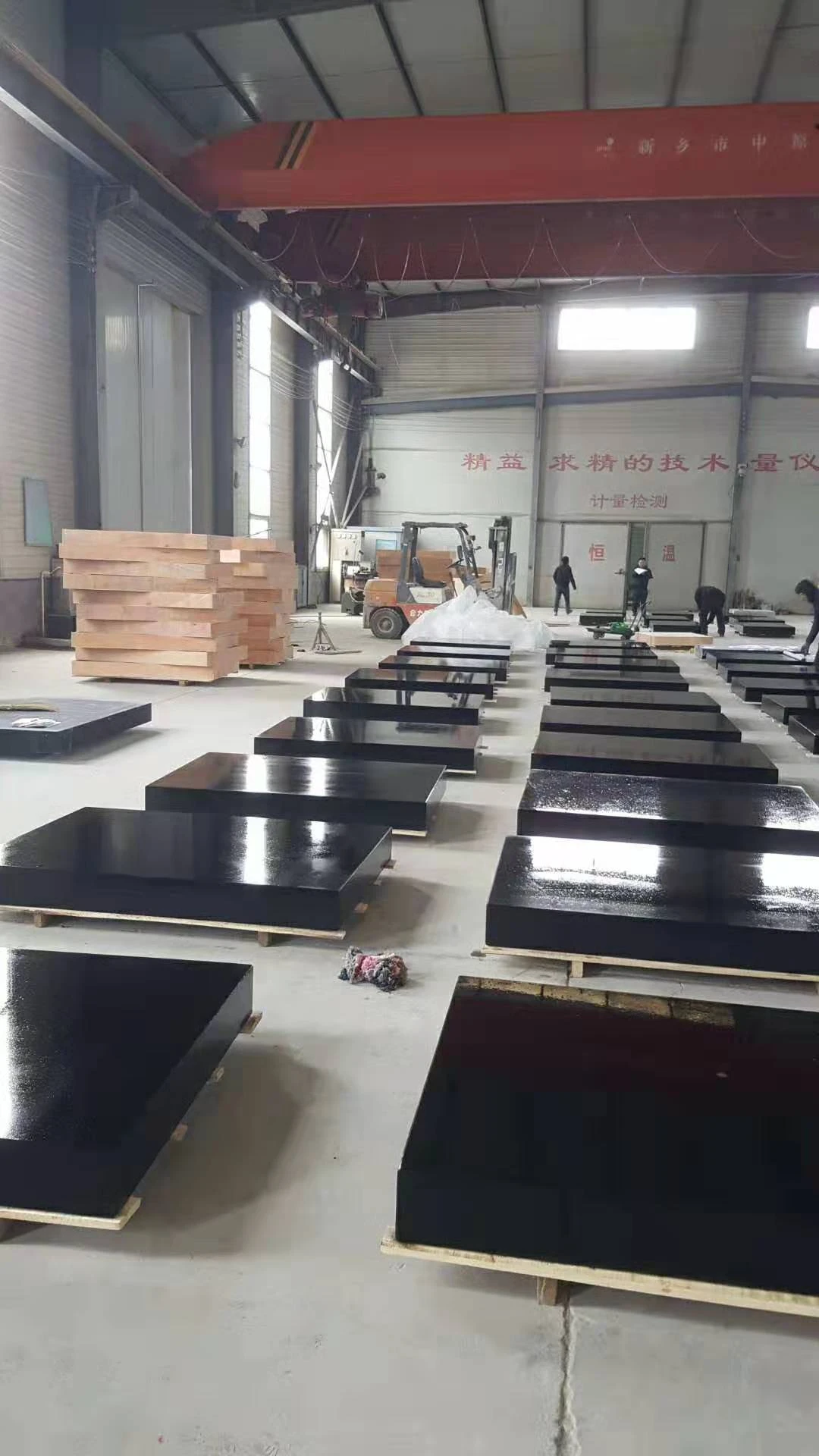
Using a Measuring Stick and Level for Accurate Marking
marking ruler with spirit level .
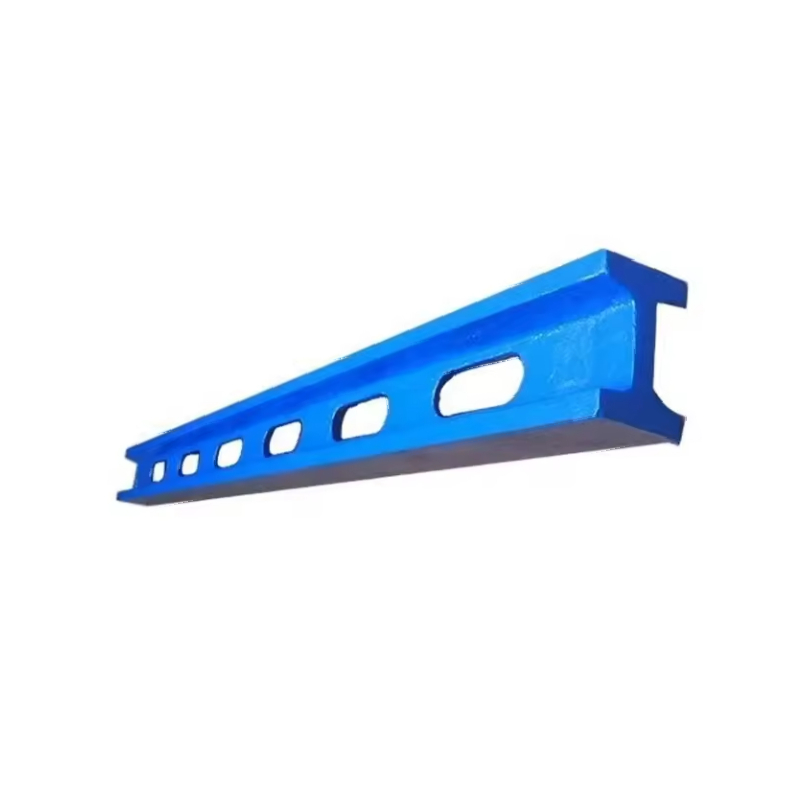
water pressure reduction valve
The world of plumbing often seems straightforward until issues like high water pressure disrupt your
 English